
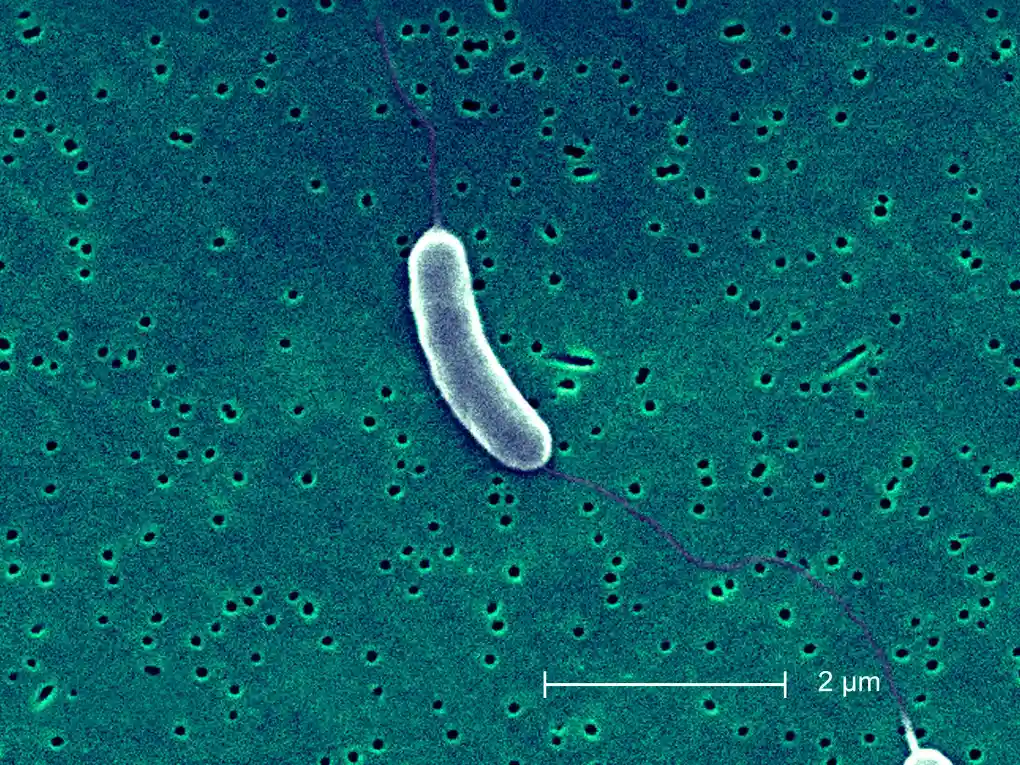
Every summer, news headlines alert coastal visitors and seafood lovers to a dangerous marine pathogen commonly labeled “flesh-eating bacteria.” Behind these alarming headlines lies a specific microorganism known to medical science as Vibrio vulnificus.
While infections are relatively rare compared to other foodborne pathogens, Vibrio vulnificus is exceptionally serious. It carries one of the highest mortality rates among waterborne diseases, particularly for individuals with pre-existing health conditions.
Understanding how this organism behaves, where it thrives, who is most vulnerable, and how to spot early symptoms can save lives. This comprehensive guide breaks down the science, risks, treatments, and essential preventative steps you need to stay safe around coastal waters and seafood.
What Is Vibrio vulnificus?
Vibrio vulnificus is a species of halophilic (salt-tolerant), Gram-negative, rod-shaped bacterium belonging to the Vibrionaceae family. Unlike sewage-related contaminants, Vibrio vulnificus is an aquatic microorganism that naturally inhabits warm coastal waters, estuaries, and bays worldwide.
Natural Habitat and Environmental Conditions
Vibrio vulnificus thrives under specific environmental conditions:
- Water Temperature: It multiplies rapidly in warm waters, typically above 68°F (20°C).
- Salinity Levels: It prefers moderate salinity (brackish water), where fresh river water mixes with salty ocean currents.
- Seasonal Peak: Peak concentrations occur between May and October across warm coastal regions, such as the Gulf Coast and Atlantic coastlines of the United States, as well as temperate coastal waters globally.
Because these bacteria are filter-fed by marine organisms, they concentrate in the tissues of bottom-dwelling invertebrates—most notably oysters, clams, mussels, and crabs.
How Transmission Occurs
Human infection occurs primarily through two distinct transmission pathways: ingestion and direct skin exposure.
[Transmission Pathways]
       │
       ├─► Ingestion ──────► Consuming Raw/Undercooked Shellfish (Oysters, Clams)
       │
       └─► Skin Contact ───► Exposing Open Wounds/Cuts to Coastal Water or Drip Fluids
1. Ingestion of Contaminated Shellfish
When raw or undercooked shellfish harvested from warm waters are consumed, live Vibrio vulnificus bacteria enter the digestive tract. Oysters pose the highest risk because they filter large volumes of water and are frequently eaten raw.
2. Direct Wound Exposure
If an open wound, cut, scrape, fresh tattoo, or surgical incision comes into contact with seawater, brackish water, or the juice/drip fluids from raw seafood, the bacteria can breach the skin barrier. Even minor abrasions—such as those caused by handling fish hooks, crab traps, or barnacles—can serve as an entry portal.
Key Fact: Vibrio vulnificus is not contagious. It cannot spread from person to person through casual contact, respiratory droplets, or shared utensils.
Key Symptoms and Clinical Presentation
The clinical manifestation of a Vibrio vulnificus infection depends heavily on how the bacteria entered the body and the overall health of the host. Infections generally fall into three clinical categories: gastrointestinal illness, wound infections, and primary septicemia.
1. Wound Infections (Skin and Soft Tissue)
When Vibrio vulnificus infects a wound, the onset is remarkably rapid—sometimes within hours of exposure.
- Early Signs: Redness, warm skin, swelling, and localized pain that feels disproportionately intense relative to the visible injury.
- Progression: Rapid spreading of redness, development of blood-filled blisters or dark fluid-filled bullae.
- Necrotizing Tissue Damage: The infection can rapidly progress to necrotizing fasciitis—a severe condition where tissue dies (necrosis) along muscle fascia.
- Systemic Symptoms: High fever, chills, rapid heart rate, and low blood pressure.
2. Primary Septicemia (Bloodstream Infection)
Primary septicemia usually occurs after consuming raw shellfish, particularly in individuals with pre-existing medical conditions. The bacteria cross the intestinal barrier and invade the bloodstream.
- Initial Manifestations: Sudden fever, severe chills, nausea, vomiting, abdominal pain, and explosive diarrhea.
- Dermatological Symptoms: Within 24 to 48 hours of ingestion, painful, blistering skin lesions (bullae) often erupt across the extremities.
- Septic Shock: Blood pressure drops dramatically, leading to confusion, organ failure, and systemic shock.
3. Mild Gastrointestinal Illness
In healthy individuals without underlying medical conditions, ingestion may result in self-limiting gastroenteritis, characterized by:
- Watery diarrhea and abdominal cramping.
- Nausea and vomiting.
- Fever and generalized fatigue.
Who Is at High Risk?
While anyone can contract a mild wound infection from Vibrio vulnificus, severe disease and fatal complications predominantly strike individuals with specific underlying health conditions.
                  ┌──────────────────────────────────────────┐
                  │    Elevated Risk Factors for Severe      │
                  │       Vibrio vulnificus Infection        │
                  └────────────────────┬─────────────────────┘
                                       │
         ┌─────────────────────────────┼─────────────────────────────┐
         ▼                             ▼                             ▼
┌─────────────────┐           ┌──────────────────┐        ┌──────────────────┐
│ Chronic Liver   │           │ Immunocompromised│        │ Chronic Medical  │
│ Disease/Cirrhosis│           │ Conditions       │        │ Conditions       │
└─────────────────┘           └──────────────────┘        └──────────────────┘
• Iron overload               • Cancer / Chemotherapy     • Diabetes mellitus
• Hepatitis B / C             • HIV / AIDS                • End-stage renal
• Alcohol misuse              • Immunosuppressants        │ disease
1. Chronic Liver Disease
Individuals with liver damage—such as cirrhosis, chronic hepatitis B or C, non-alcoholic fatty liver disease, or chronic alcohol dependency—are at the highest risk.
The liver plays a vital role in clearing bacteria from the bloodstream and regulating iron levels. Impaired liver function allows bacteria to proliferate unimpeded.
2. High Serum Iron Levels (Hemochromatosis)
Vibrio vulnificus requires free iron to fuel its growth and virulence. Conditions like hemochromatosis (an iron overload disorder) provide an environment where the bacterium multiplies exponentially, escalating mortality rates.
3. Compromised Immune Systems
People undergoing cancer treatments (chemotherapy or radiation), those taking long-term immunosuppressive medications (such as steroids or anti-rejection drugs post-transplant), or individuals living with HIV/AIDS face elevated vulnerability.
4. Other Chronic Conditions
- Diabetes Mellitus: Reduced circulation and impaired immune response increase the risk of severe tissue breakdown.
- End-Stage Renal Disease: Patients on dialysis have diminished systemic defenses.
- Gastric Conditions: Lower stomach acid levels (due to antacid use or gastric surgery) can allow ingested bacteria to survive the stomach and reach the intestines intact.
Clinical Comparison: Vibrio vulnificus vs. Other Marine Microorganisms
To understand how Vibrio vulnificus differs from other marine pathogens, review this comparison of common waterborne and seafood-related organisms:
| Feature | Vibrio vulnificus | Vibrio parahaemolyticus | Mycobacterium marinum |
| Primary Risk | Life-threatening sepsis, severe tissue destruction | Acute gastroenteritis | Chronic localized skin granulomas (“aquarium granuloma”) |
| Main Vector | Raw oysters, brackish water cut exposure | Raw/undercooked seafood | Handling aquariums, saltwater fish, or marine life |
| Onset Speed | Extremely fast (4–48 hours) | Rapid (12–24 hours) | Slow (2–8 weeks) |
| Mortality Rate | High in vulnerable groups (~20–50% for sepsis) | Very low (< 1%) | Extremely low |
| Key Presentation | Blistering skin lesions, necrotizing wounds, septic shock | Watery diarrhea, nausea, cramps | Red bumps or nodules on hands/arms that slowly ulcerate |
| Primary Treatment | Immediate IV antibiotics, surgical debridement | Oral rehydration, self-limiting (antibiotics in severe cases) | Prolonged oral antibiotic course (months) |
Medical Diagnosis and Treatment Protocols
Because Vibrio vulnificus infections progress with extreme speed, medical intervention must begin immediately upon clinical suspicion. Physicians do not wait for lab confirmation before initiating treatment.
Diagnostic Procedures
- Clinical Evaluation: Reviewing recent marine exposure, seafood consumption history, and pre-existing health conditions.
- Laboratory Cultures: Blood, wound exudate, or stool samples are cultured using specialized media such as Thiosulfate-Citrate-Bile Salts-Sucrose (TCBS) agar.
- Polymerase Chain Reaction (PCR): Rapid molecular assays to identify bacterial DNA in blood or tissue samples.
Treatment Strategies
             ┌─────────────────────────────────────────────────┐
             │       Emergency Treatment Protocol              │
             └────────────────────────┬────────────────────────┘
                                      │
          ┌───────────────────────────┴───────────────────────────┐
          ▼                                                       ▼
┌──────────────────────────────────┐            ┌──────────────────────────────────┐
│   Aggressive Antibiotic Therapy   │            │   Surgical & Intensive Care      │
└──────────────────────────────────┘            └──────────────────────────────────┘
• Doxycycline + Ceftriaxone/Cefotaxime          • Immediate surgical debridement
• Alternative: Fluoroquinolones                 • Amputation in severe tissue necrosis
• Early administration is critical             • Hemodynamic support & fluid resuscitation
- Antibiotic Therapy: Intravenous antibiotic combinations are administered promptly. Standard regimens typically involve Doxycycline combined with a third-generation cephalosporin (such as Ceftriaxone or Cefotaxime), or a fluoroquinolone (such as Levofloxacin or Ciprofloxacin).
- Surgical Intervention: For wound infections, early surgical debridement (removal of dead or infected tissue) is crucial to halt tissue destruction. In severe cases involving extensive necrosis, amputation of affected limbs may be necessary to save the patient’s life.
- Supportive ICU Care: Treatment for primary septicemia requires intensive care management, including intravenous fluids, vasopressors to maintain blood pressure, and organ support (such as mechanical ventilation or dialysis).
Essential Prevention Strategies
Prevention is the most effective defense against Vibrio vulnificus. By following evidence-based safety practices around seafood and coastal waters, you can minimize your risk.
Seafood Safety Protocols
- Cook Shellfish Thoroughly: Heat destroys Vibrio vulnificus. Boil oysters until the shells open, then continue boiling for 3 to 5 minutes. Alternatively, steam them for 4 to 9 minutes.
- Avoid Raw Shellfish: If you have liver disease, diabetes, or a weakened immune system, never eat raw or undercooked oysters, clams, or mussels.
- Prevent Cross-Contamination: Keep raw seafood and its juices away from cooked foods and meal preparation surfaces. Wash cutting boards, knives, and hands with warm, soapy water after handling raw seafood.
- Maintain Proper Temperatures: Keep harvested or purchased shellfish refrigerated below 40°F (4°C) at all times.
Coastal Water Safety Guidelines
- Cover Open Cuts: Do not enter coastal, ocean, or brackish water if you have open cuts, scrapes, burns, fresh piercings, or recent surgical wounds.
- Wear Protective Gear: Wear water shoes, thick gloves, and protective clothing when wading, fishing, handling crab traps, or cleaning raw fish to prevent punctures.
- Clean Wounds Immediately: If your skin is cut or scraped while in coastal water, thoroughly wash the area immediately with clean fresh water and soap.
- Use Waterproof Bandages: If exposure to coastal water is unavoidable, cover minor wounds with a completely waterproof bandage—though staying out of the water altogether is far safer for high-risk individuals.
Frequently Asked Questions (FAQ)
Can cooking oysters eliminate the risk of Vibrio vulnificus?
Yes. Thoroughly cooking shellfish to an internal temperature of at least 145°F (63°C) destroys Vibrio vulnificus bacteria, making the seafood safe to consume. Hot sauce, lemon juice, alcohol, or raw marinades do not kill the bacteria.
Does Vibrio vulnificus live in freshwater lakes or pools?
No. Vibrio vulnificus requires salt to survive and thrive. It is found exclusively in marine, estuarine, and brackish environments. It does not inhabit freshwater lakes, rivers, or properly chlorinated swimming pools.
What should I do if I cut myself while swimming in the ocean?
Immediately exit the water and wash the wound thoroughly with clean tap water and soap. Apply an over-the-counter antiseptic and cover it with a dry bandage. Monitor the wound closely over the next 24 to 72 hours for signs of swelling, severe pain, redness, or red streaks.
When should I seek immediate emergency medical care?
Seek emergency medical evaluation right away if you experience rapidly spreading redness, severe swelling, skin blisters, or high fever following exposure to seawater or raw shellfish—especially if you have liver disease or a weakened immune system.
Conclusion
Vibrio vulnificus is a potent environmental pathogen that poses serious health risks under specific conditions. While the term “flesh-eating bacteria” can cause alarm, understanding the actual mechanism of infection provides clear, actionable steps for prevention.
For healthy individuals, mild gastrointestinal symptoms or localized wound irritations are the most typical outcomes. However, for those living with chronic liver conditions, iron overload, diabetes, or compromised immunity, exposure to raw seafood or warm coastal waters demands heightened caution. By following proper cooking techniques, protecting open wounds, and recognizing early warning signs, you can enjoy coastal activities and seafood safely.