What would you do if your home—the one place meant to provide ultimate security—suddenly transformed into an inescapable prison?
That chilling scenario forms the core premise of The Last House, director Louis Leterrier’s high-concept sci-fi survival thriller. Released globally on Netflix on August 7, 2026, the film brings together acclaimed actors Greta Lee (Past Lives) and Wagner Moura (Narcos, The Secret Agent) in a tense story about familial endurance, resourcefulness, and existential isolation.
If you recently watched the movie on Netflix or are deciding whether to add it to your watchlist, this complete guide breaks down everything you need to know—from the star-studded cast and plot mechanics to critical reviews and a deep dive into that ambiguous ending.
Overview of ‘The Last House’ (2026)
Before diving into plot details and thematic analysis, here is a quick snapshot of the key facts surrounding the Netflix original film:
| Metric / Attribute | Detail |
| Title | The Last House |
| Release Date | August 7, 2026 |
| Platform | Netflix (Global) |
| Genre | Sci-Fi Thriller / Survival Drama / Mystery |
| Director | Louis Leterrier (Fast X, Now You See Me) |
| Screenwriter | Matthew Robinson |
| Main Cast | Greta Lee, Wagner Moura |
| Runtime | 112 minutes (1 hour 52 minutes) |
| MPA Rating | PG-13 |
What Is ‘The Last House’ About? (Plot Synopsis)
The story begins in suburban Seattle, where Jason Delgado (Wagner Moura), an unemployed engineer, is out fishing when he spots an unusually dense, eerie storm rolling in off the coast. He rushes back to his home to join his wife Ann (Greta Lee), their two young children Graham and Ruth, and their aging family dog, Cassidy.
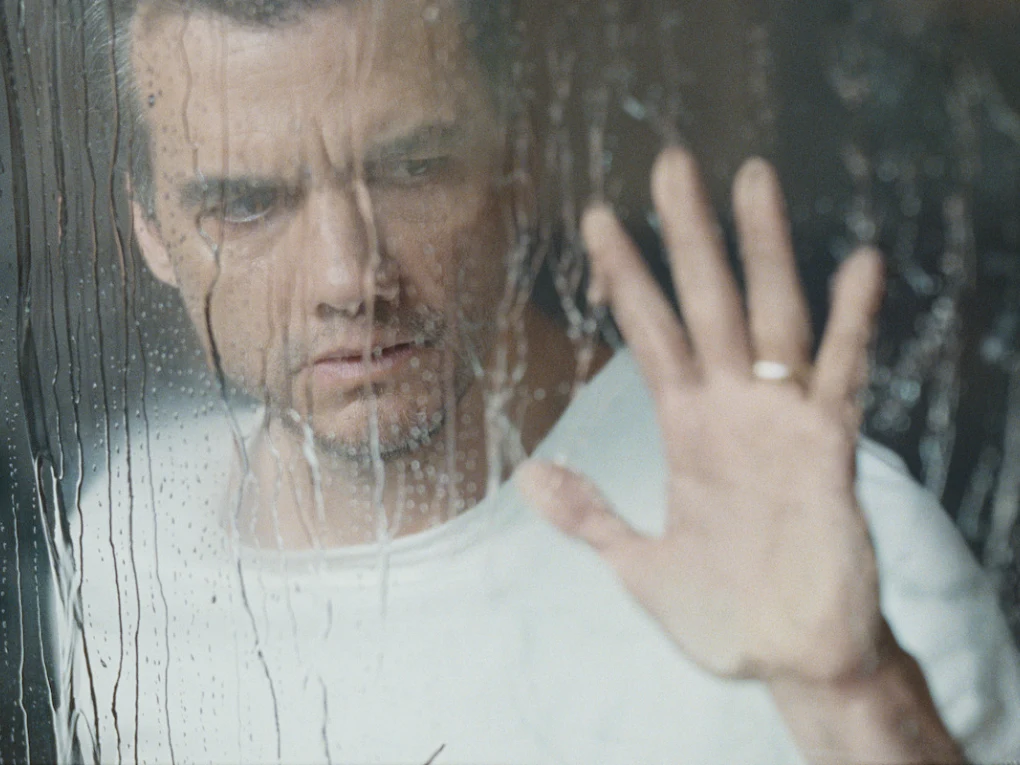
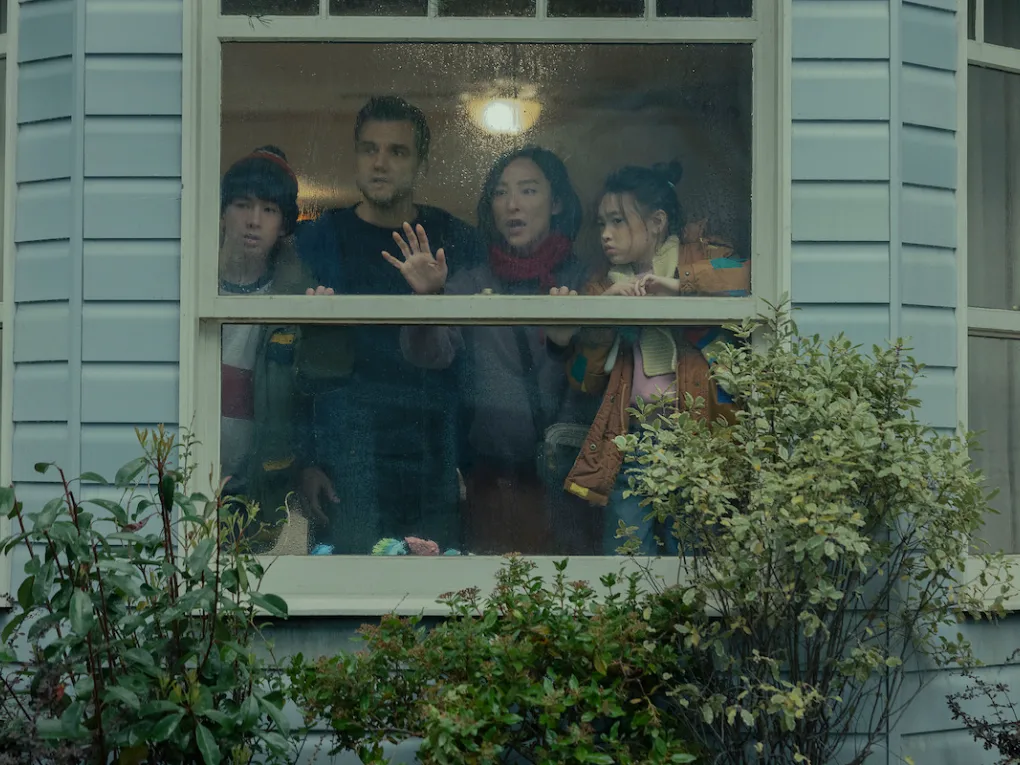
As the downpour begins, the family quickly discovers something terrifying: every single door, window, and exit in their house has become completely unopenable.
A House Turned Into an Inescapable Fortress
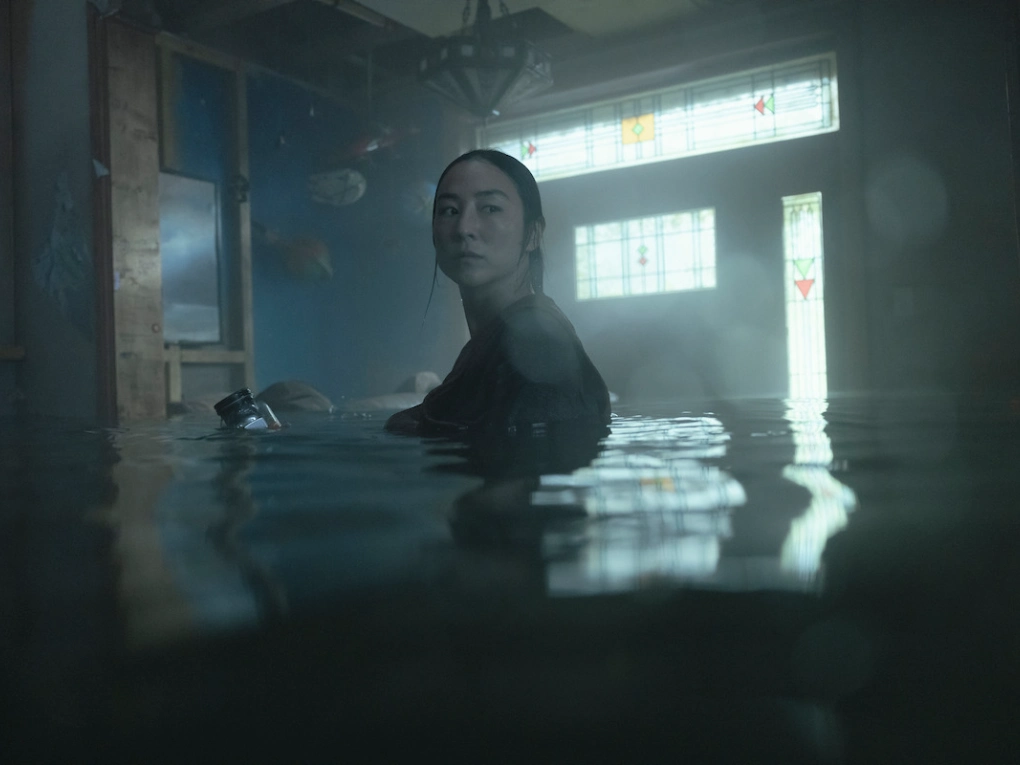
Jason attempts to smash through windows, chop through walls, and break down doors, but an invisible, impenetrable barrier backed by shifting water seals them inside. Communication lines cut out instantly—phones lose service, and internet connections drop. Looking through the glass, they realize their neighbors are trapped in the exact same manner, while unlucky individuals outside are stranded in the relentless torrential rain.
While basic utilities like power and tap water initially function, Jason and Ann realize help isn’t coming anytime soon. They immediately begin rationing supplies and teaching survival techniques to their kids.
Suburban Home ──► Unexplained Barrier Sealing Exits ──► Loss of Communications ──► Long-Term Indoor Survival
The Five-Year Survival Arc
Unlike traditional home invasion movies that take place over a single night, The Last House spans over five years inside the same residence:
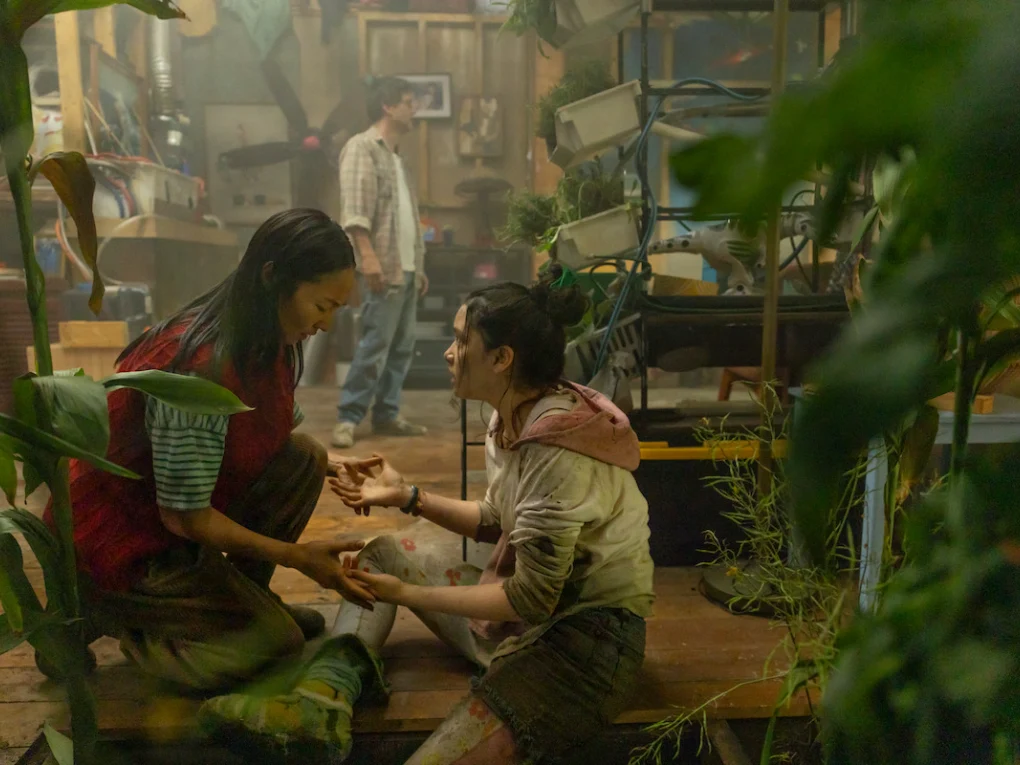
- Indoor Agriculture: Ann converts rooms into indoor vegetable gardens using soil pulled from floorboards.
- Water Reclamation: Jason builds makeshift filtration systems to capture and repurpose condensation and greywater.
- “Chimney Fishing”: When the chimney cap collapses, Jason utilizes the opening to deploy clever traps onto the roof to capture small urban animals wandering outside.
- Aging in Confinement: Over half a decade, the family adapts as the children grow from youth into young adults under extreme confinement.
However, as the power grid eventually collapses and their physical infrastructure decays, mysterious shadowy entities with tentacle-like silhouettes begin creeping closer to the residence.
The Last House Cast & Character Guide
The emotional core of The Last House relies heavily on its tight cast, particularly the believable chemistry between Greta Lee and Wagner Moura as parents forced into extreme domestic survival.
Main Cast & Characters
-
Greta Lee as Ann Delgado: The emotional anchor and primary nurturer of the family. Ann takes charge of the indoor agriculture, keeping food on the table and maintaining psychological stability for her children during years of isolation.
-
Wagner Moura as Jason Delgado: An out-of-work engineer whose practical skills become vital. Jason builds water purification systems, constructs hunting traps, and searches for structural vulnerabilities in the sealed home.
-
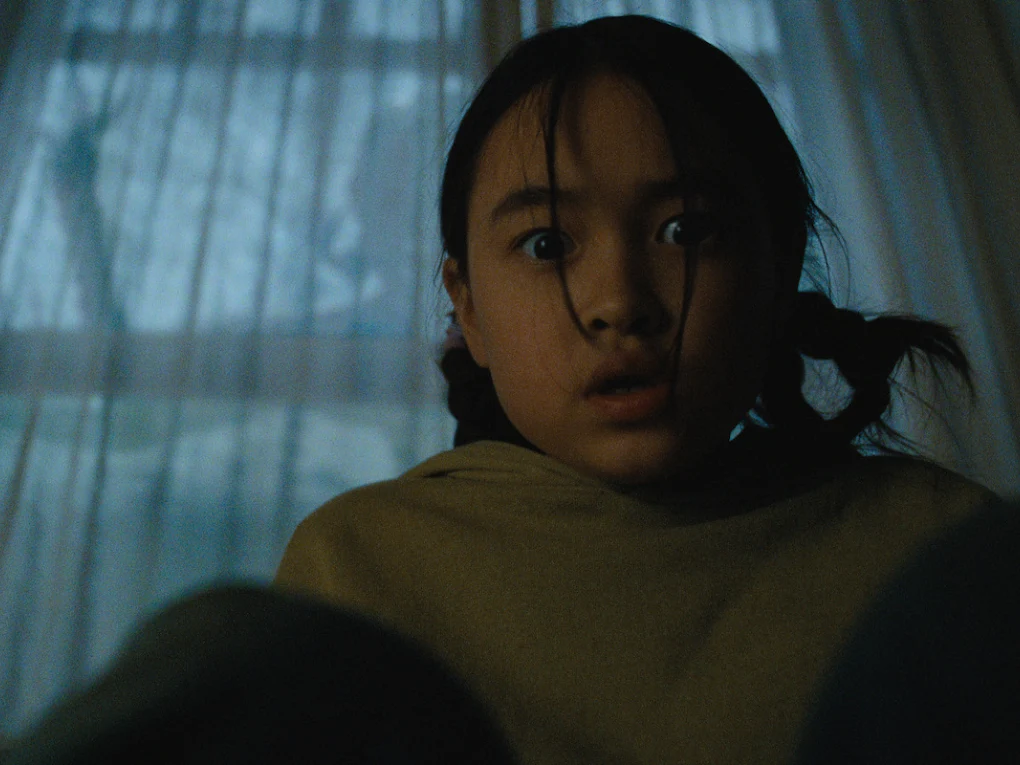
Riley Chung / Emma Ho / Arden Cho as Ruth Delgado: The daughter shown across three life stages:
-
Riley Chung plays 8-year-old Ruth at the start of the lockdown.
-
Emma Ho portrays 13-year-old Ruth mid-way through their isolation.
-
Arden Cho appears as adult Ruth.
-
-
Noah Alexander Sosnowski / Gabriel Chung as Graham Delgado: The son growing up inside the house:
-
Noah Alexander Sosnowski plays 12-year-old Graham.
-
Gabriel Chung plays 17-year-old Graham.
-
-
Sid Edwards as Max Richardson: The family’s dentist neighbor who becomes a crucial contact point through shared plumbing systems during medical emergencies.
‘The Last House’ Ending Explained: Who Are the Rain Monsters?
The climax of The Last House leaves many viewers asking fundamental questions about what actually caused the event and what the creatures represent. Here is a step-by-step breakdown of the key reveals from the ending.
Spoiler Warning: The following section contains major story spoilers for The Last House.
Are the Creatures Extraterrestrial Aliens?
Throughout much of the movie, the family assumes they are experiencing an alien invasion. However, director Louis Leterrier and the production team confirmed that the entities are not aliens.
Instead, they are ancient, deep-sea ocean dwellers that inhabited Earth millions of years before humanity evolved.
Why Did the Creatures Emerge?
For eons, these creatures resided in the unexplored depths of the ocean. Humanity’s excessive consumption, climate degradation, and rising ocean temperatures effectively “boiled” their deep-sea habitats. Driven out of the sea by environmental destruction, the creatures emerged onto land to reclaim the surface world.
Human Pollution & Ocean Warming ──► Deep-Sea Habitat Destruction ──► Ancient Creatures Emerge ──► Planetary Reclamation
The Core Twist: Humans Are the Real Invaders
The central thematic twist turns traditional “home invasion” sci-fi tropes upside down:
- The barrier sealing homes isn’t an act of malicious torture, but a mechanism used by the ancient sea entities to isolate land dwellers while restructuring the ecosystem.
- As director Louis Leterrier explained: “We think that it’s an invasion movie, but we realize that we’re the aliens. The creatures haven’t come to conquer humanity’s world. They are reclaiming their own—and forcing humans to learn how to share it.”
Do the Delgados Survive?
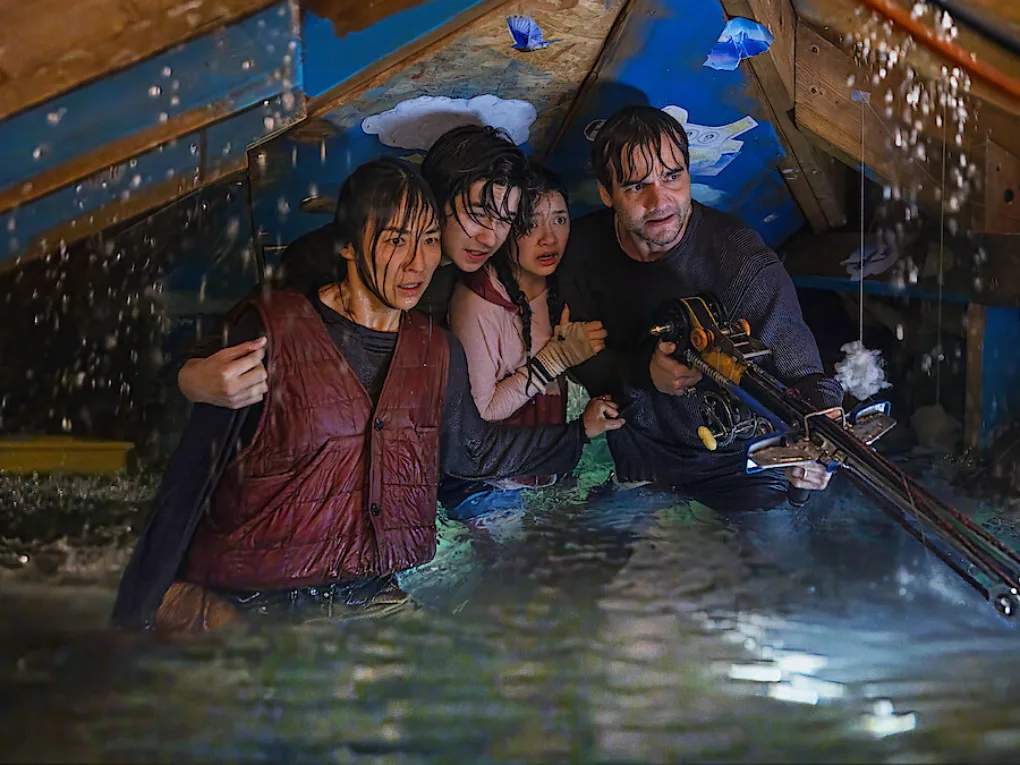
After Ruth is bitten by an infected creature trap, Ann risks her life navigating the subterranean sewage lines to recover antibiotics from neighbor Max. As the house slowly sinks and the water barrier shifts, the family realizes they can no longer stay hidden forever. Arming themselves with handmade weapons, they prepare to face the newly transformed world outside, moving from passive isolation to active survival.
Thematic Analysis & Filming Techniques
Beyond its monster-movie surface, The Last House incorporates notable directorial choices and thematic layers.
Pandemic Nostalgia and Everyday Economic Anxiety
The Last House taps heavily into lingering anxieties surrounding global lockdowns, isolation, and remote survival. By grounding the family’s struggle in pre-existing working-class stresses—such as unemployment, mortgage payments, and losing digital connectivity—the film makes the apocalyptic setting feel grounded and relatable.
Practical Effects vs. Digital CGI
To maintain a palpable sense of claustrophobia, director Louis Leterrier opted for practical effects wherever possible:
- The film shot its first half on 35mm film to capture a grainy, cinematic texture before transitioning as the setting darkens.
- The creature was constructed as a physical practical silicone suit manned by a puppeteer in flooded studio tanks, with visual effects added only for fine enhancements.
Critical Reviews & Audience Reception
Critical reception for The Last House highlights strong performances and visual craft, alongside some debate regarding the film’s pacing.
Key Highlights from Reviewers
- The Hollywood Reporter: Noted that the film excels as a “claustrophobic sci-fi film” in its opening act when tension remains high, praising the ground-level performances of Greta Lee and Wagner Moura.
- The Indian Express: Highlighted how the movie effectively transforms the comfort of a home into a battleground, praising how domestic details—like watching classic movies on VHS—add emotional weight to the survival drama.
- Audience Feedback: Fans of high-concept thrillers praised the inventive survival mechanisms (such as indoor farming and chimney trapping), though some viewers desired a more conclusive resolution regarding humanity’s long-term fate.
How ‘The Last House’ Compares to Other Sci-Fi Thrillers
If you are wondering how The Last House stacks up against similar survival horror and sci-fi movies, here is a quick comparison table:
| Feature | The Last House (2026) | A Quiet Place (2018) | Leave the World Behind (2023) | 10 Cloverfield Lane (2016) |
| Primary Setting | Sealed Suburban House | Rural Farmhouse | Isolated Rental Home | Underground Survival Bunker |
| Threat Source | Ancient Earth Ocean Beings | Blind Sound-Hunters | Cyber Attack / Collapse | Ambiguous Alien/Chemical Invasion |
| Time Frame | Spans over 5 Years | Spans ~1 to 2 Years | Few Days | Several Months |
| Primary Theme | Environmental Reclamation & Isolation | Family Protection & Silence | Technological Dependency | Paranoia & Trust |
| Lead Stars | Greta Lee & Wagner Moura | Emily Blunt & John Krasinski | Julia Roberts & Ethan Hawke | Mary Elizabeth Winstead & John Goodman |
Frequently Asked Questions (FAQs)
Is ‘The Last House’ based on a true story or a book?
No. The Last House is an original sci-fi screenplay written by Matthew Robinson and directed by Louis Leterrier.
Where was ‘The Last House’ filmed?
Principal photography took place primarily in England at Shepperton Studios, where the production built detailed suburban home interiors and large water tanks for flooded scenes.
Is there going to be a sequel (‘The Last House 2’)?
As of August 2026, Netflix has not officially announced a sequel. However, the world-building and open-ended nature of the climax leave ample room for potential spin-offs or sequels.
What is the age rating for ‘The Last House’?
The film is rated PG-13 for sci-fi violence, intense survival sequences, language, and disturbing creature imagery.
Conclusion
The Last House delivers an inventive take on the home-invasion and apocalyptic thriller genres. Anchored by powerful performances from Greta Lee and Wagner Moura, the film turns domestic survival into an engaging study of family dynamics, environmental consequences, and human adaptability. By shifting the mystery from extraterrestrial visitors to ancient Earth entities, director Louis Leterrier provides a thoughtful twist that lingers long after the credits roll.