

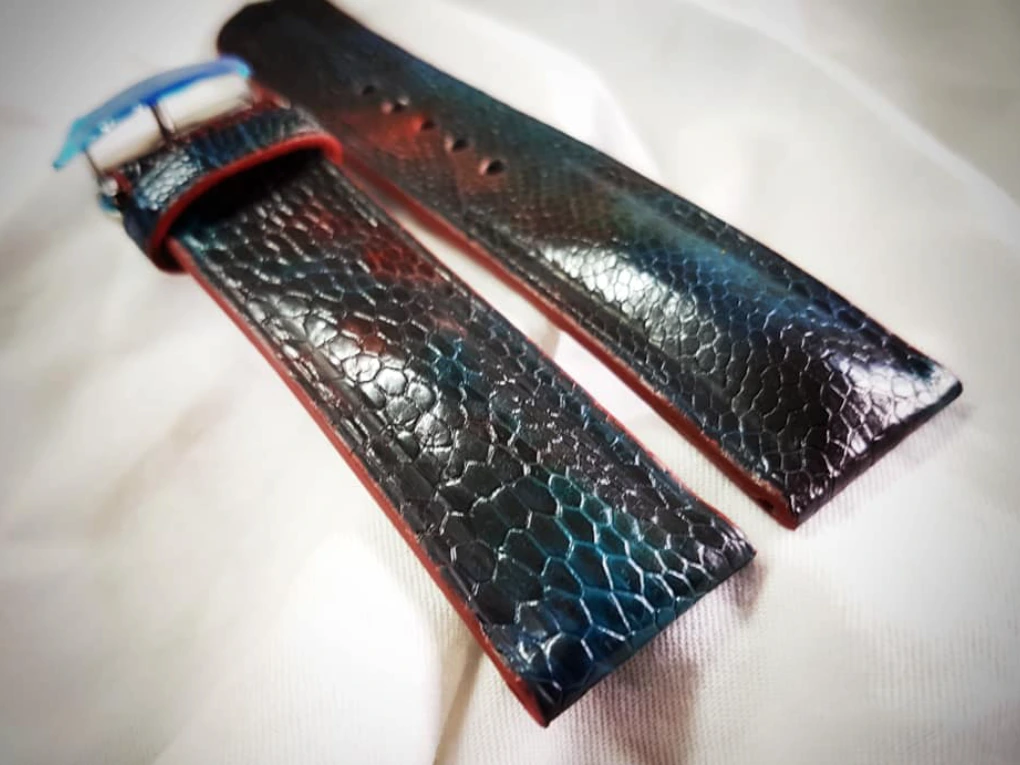
Finding the right leather watch strap in Australia comes down to three non-negotiable details: your watch’s exact lug width measured in millimetres, a strap length that suits your wrist circumference, and a leather tannage built to withstand local humidity. Swapping out a generic factory band for a dedicated leather strap immediately transforms how your timepiece wears, rests on the wrist, and ages.
Leather watch straps Australia buyers choose are replacement bands crafted from genuine animal hide—predominantly bovine full-grain, top-grain, or vegetable-tanned leather—designed to secure traditional mechanical timepieces, quartz watches, or digital smartwatches via standardised spring bars or integrated case adapters.
Based on manufacturer specifications and owner reports; not hands-on tested.
In Short
- Check the lug width first: Measure the inner distance between your watch horns in millimetres before ordering; 18mm, 20mm, and 22mm account for the vast majority of Australian timepieces.
- Factor in taper: Straps designated as 20/16 or 20/18 narrow toward the buckle, reducing bulk under your forearm when working at a desk.
- Prioritise vegetable-tanned full-grain: Full-grain leather resists everyday surface abrasions and develops a deep patina, whereas genuine leather splits degrade quickly in hot climates.
- Mind your wrist size: A standard 120/80mm two-piece strap fits wrists measuring 16.5cm to 19.5cm; anything smaller or larger requires a designated short or long cut.
- Guard your lugs: Always use an ultra-fine fork spring bar tool from the rear of the watch case to avoid scratching polished steel.
Leather Watch Straps Australia: Leather Strap vs Metal Bracelet vs NATO — When Leather Wins
Every watch strap material serves an operational purpose. Metal bracelets offer waterproof resilience and visual heft. Woven nylon NATO straps deliver military utility and keep a watch on your wrist even if one spring bar fails. However, leather watch straps claim the advantage whenever your priorities shift toward dress versatility, reduced overall weight, and anatomical comfort.
A stainless steel oyster-style bracelet adds anywhere between 60 to 95 grams of dead weight to your wrist. In an office environment or formal setting, steel attracts scratches on desk surfaces and can feel uncomfortably cold on initial contact during southern Australian winters. By contrast, a two-piece unpadded calfskin strap weighs between 10 and 18 grams. It sits flat, slips under tailored French cuffs without catching, and warms to your skin temperature within seconds.
Nylon straps excel in salt water and mud, but their casual woven texture looks out of place with sharp business wear or evening tailoring. Leather bridges that gap cleanly. A minimalist, unstitched Horween Chromexcel band pairs naturally with a casual field watch on Saturday, while a tapered, edge-painted French calf band elevates a vintage dress watch on Monday morning.
Leather fails only in prolonged aquatic submersion. If you intend to surf, swim, or endure high-exertion gym sessions, switch to rubber or steel. For daily professional wear, formal events, and dry casual settings across Australia, leather provides comfort and character that synthetics cannot duplicate.
The Only Number That Matters: Lug Width
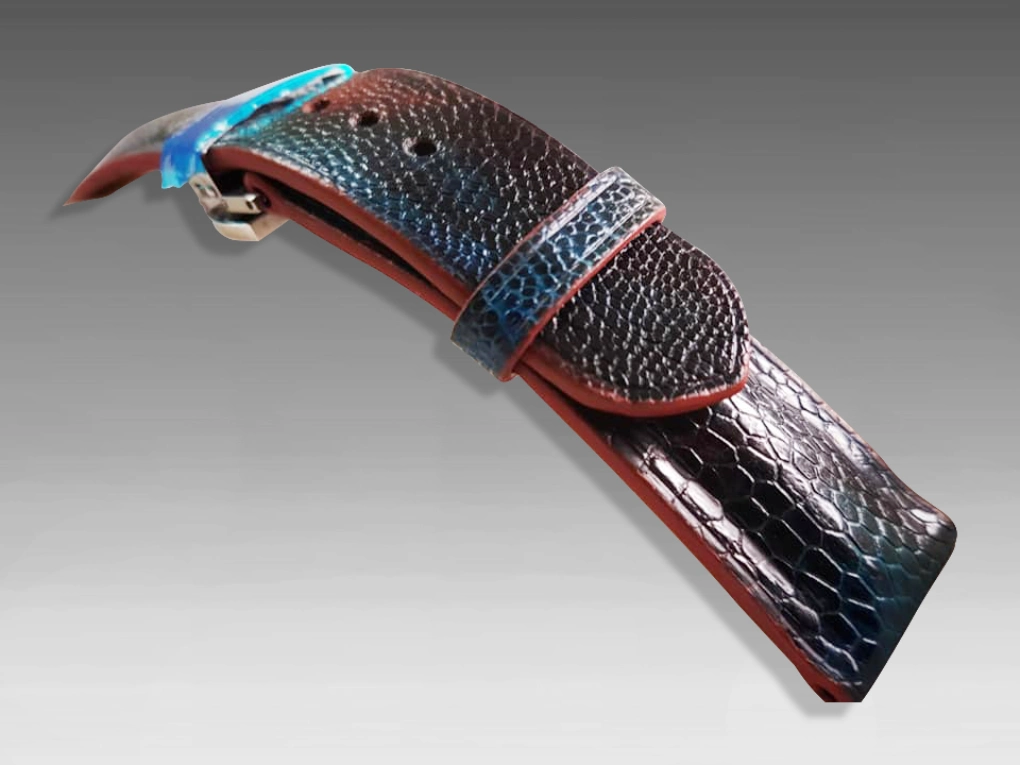
If you purchase the incorrect lug width, your strap is completely useless. A 20mm strap will not squeeze into a 19mm lug gap without buckling, creasing, and damaging the leather edges. Conversely, an 18mm strap installed on a 20mm watch leaves a hazardous 1mm gap on either side, exposing the spring bar, allowing the watch head to wobble, and risking total detachment.
Lug width is simply the internal distance between the two inside surfaces of your watch case’s horns, measured strictly in millimetres. The most common sizes across modern and vintage watches run from 16mm to 24mm:
- 18mm: Standard for mid-century vintage watches, smaller dress pieces (under 36mm case diameter), and classic timepieces like the Seiko 5 SNK series.
- 20mm: The industry benchmark. Found on the Rolex Submariner (pre-2020), Omega Speedmaster Professional, Tudor Black Bay 58, and hundreds of independent field and sports watches.
- 22mm: Standard on contemporary tool watches, dive watches with 42mm+ case diameters (such as the Seiko SKX007), and larger smartwatches.
- 19mm and 21mm: Odd-sized lug dimensions favoured by brands like Grand Seiko, Longines, and modern Rolex sports models (e.g., Submariner 124060 at 21mm). These require dedicated odd-size straps rather than rounding up or down.
To measure your watch accurately, lay it face up on a clean cloth and run a metric vernier calliper between the lugs. If you do not own a calliper, use a high-precision steel metric ruler aligned carefully against the inner edge of one lug. Never rely on fabric sewing tapes, which stretch and introduce error. For an exhaustive breakdown across hundreds of reference models, check our watch strap size guide lug width before buying.
Decoding Strap Taper: Why 20/16 Matters
Quality leather watch straps rarely run parallel from case to buckle. Instead, they taper.
Strap measurements are expressed as Lug Width / Buckle Width.
- A 20/16 specification means the strap measures 20mm where it attaches to the watch case, tapering down to 16mm at the buckle.
- A 20/18 strap features a subtler taper, narrowing by just 2mm.
- A 20/20 strap is a straight cut, maintaining a uniform 20mm width along its entire length.
A 20/16 taper delivers vintage mid-century proportions. It sheds excess leather volume under your wrist, preventing the buckle hardware from digging into your tendons when typing on a laptop keyboard. Straight-cut bands (such as 22/22) suit chunky pilot watches or military instruments where a heavy visual anchor balances a thick case profile.
Strap Length & Wrist Size: Short, Regular, and Long
Buying the right lug width guarantees the strap fits your watch, but buying the right length guarantees it fits your body.
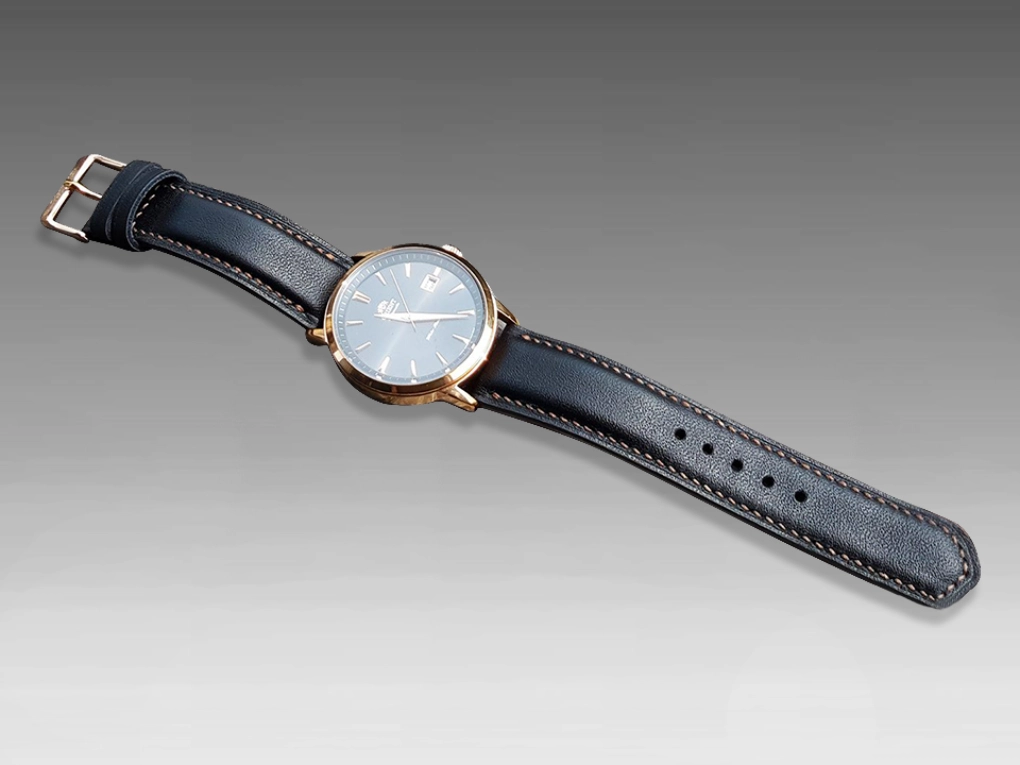
Two-piece leather watch straps are sold using two numbers reflecting the millimetre length of each piece: the point piece (the longer strap containing the adjustment holes) and the buckle piece (the shorter section carrying the hardware, measured without the buckle itself). For example, a “120/80mm” strap features a 120mm point tail and an 80mm buckle section.
| Strap Designation | Point / Buckle Length | Wrist Circumference (Metric) | Wrist Circumference (Imperial Reference) |
| Short | 105mm / 70mm to 110mm / 70mm | 14.5cm – 16.5cm | 5.75″ – 6.5″ |
| Regular (Standard) | 115mm / 75mm to 120mm / 80mm | 16.5cm – 19.5cm | 6.5″ – 7.7″ |
| Long | 125mm / 85mm to 135mm / 85mm | 19.5cm – 22.0cm | 7.7″ – 8.7″ |
To measure your wrist circumference:
- Wrap a thin strip of paper or non-stretchy string around your wrist bone at the exact position you wear your watch.
- Mark the overlap point with a fine-tip pen.
- Lay the paper flat against a steel ruler to read the measurement in centimetres.
Do not overlook your watch’s lug-to-lug distance (the total vertical length from top lug tip to bottom lug tip, usually 42mm to 50mm). A watch with a massive 52mm lug-to-lug length consumes substantial wrist surface, effectively making a standard strap wear larger than it would on a compact 44mm dress piece.
If your wrist measures under 16.0cm, avoid standard 120/80mm straps; the buckle will sit off-centre toward the side of your arm, and the excess strap tail will wrap high around the case flank.
Leather Types for Straps: Full-Grain, Veg-Tan, and Suede
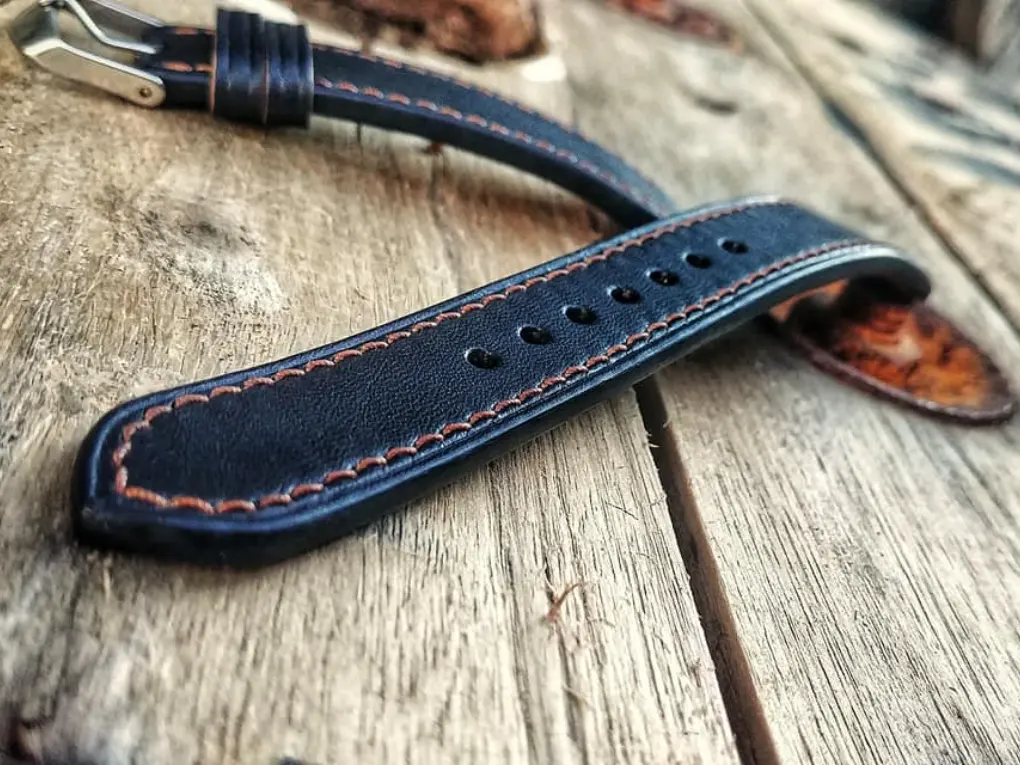
The leather grade and tanning method dictate how the strap breathes, resists sweat, and patinas over years of wear.
Full-Grain vs Top-Grain vs “Genuine” Leather
- Full-Grain Leather: Retains the entire top layer of the cowhide, including its natural pore structure and surface marks. It is the most fibrous, abrasion-resistant cut available. It does not peel. With wear, skin oils and sunlight oxidise the surface, developing a rich, darker patina unique to your routine.
- Top-Grain Leather: The raw hide undergoes light sanding or buffing to remove external surface blemishes, followed by an applied pigment coat. It is thinner, more supple out of the box, and offers uniform colour, but its patina potential is reduced compared to full-grain.
- “Genuine” Leather: A marketing term applied to split lower-dermis layers bonded together with polyurethane adhesives and stamped with an artificial grain. In Australian heat, genuine leather straps delaminate, absorb sweat salts, and crack within 6 to 12 months. Skip them entirely.
Vegetable-Tanned vs Chrome-Tanned Leather
- Vegetable-Tanned (Veg-Tan): Cured using natural organic tannins extracted from tree bark, chestnut, and mimosa over a period of 30 to 60 days. Veg-tan leather is firm when new, softens progressively through body heat, and produces the most dramatic, lustrous patina of any hide. Because it remains breathable, it handles moderate skin contact cleanly.
- Chrome-Tanned: Processed using chromium salts within a 24-to-48-hour cycle. The resulting leather is immediately soft, highly water-resistant, and maintains its factory colour without significant shifting. Most brightly coloured or waterproof-backed straps use chrome tannages.
Suede, Nubuck, and Roughout
- Suede: Split from the interior flesh side of the hide, offering a soft, velvet-like nap. Highly comfortable against the skin, but sensitive to moisture and grease.
- Roughout: Full-grain leather reversed so the fibrous flesh side faces outward while the structural grain layer remains intact inside. Extremely durable, military-tested, and far tougher than split suede.
- Nubuck: Top-grain leather with the exterior grain lightly buffed to create an ultra-fine, suede-like nap. It scratches easily initially but patinas smoothly over time.
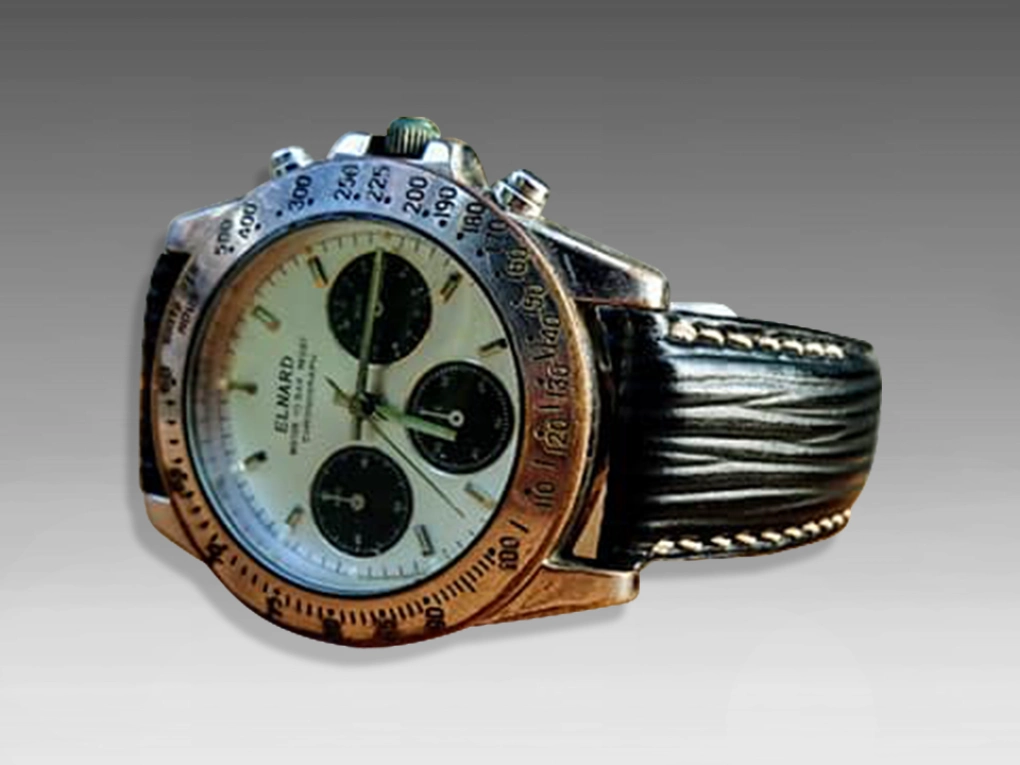
Apple Watch Leather Bands
Upgrading an Apple Watch with a traditional two-piece leather strap bridges the divide between utilitarian tech and personal tailoring. However, standard traditional watch straps will not click directly into the Apple Watch chassis without specialised hardware.
An Apple Watch leather band relies on a precision slide-in metal adapter containing spring-loaded magnetic pins and central silicone bumpers that lock flush into the Apple Watch case slots.
Case sizes determine the required adapter width:
- Small Case Category: 38mm, 40mm, 41mm, and Series 10 42mm cases share identical adapter channel dimensions. These adapters typically accept an 18mm or 20mm leather band.
- Large Case Category: 42mm (Series 1–3), 44mm, 45mm, 46mm, and 49mm (Apple Watch Ultra 1 & 2) share the larger channel profile. These accommodate 22mm to 24mm leather bands to balance the substantial case proportions.
When sourcing an aftermarket leather strap for an Apple Watch, match the adapter hardware metal finish to your case material. Pairing a polished silver chrome adapter with a matte Space Grey or Titanium case breaks visual cohesion. For a complete market breakdown of adapters and pre-fitted options, read our guide on choosing a leather Apple Watch band Australia.
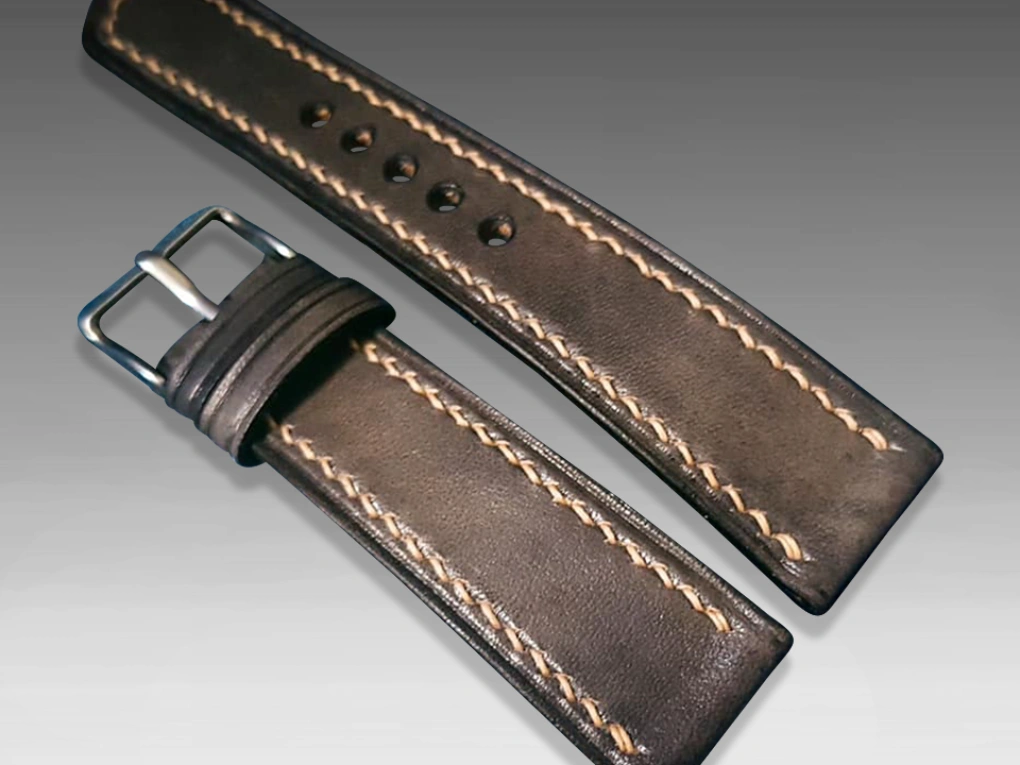
How to Change a Strap Without Scratching the Lugs
Slipping off a strap takes less than two minutes, but carelessness will leave deep gouges across the mirror-polished flanks of your watch lugs.
The Mandatory Tool
Ditch kitchen knives, safety pins, and razor blades. You need a dedicated spring bar tool equipped with:
- A small, heat-treated 1.0mm to 1.2mm fine fork for tight modern shoulders.
- A 0.8mm pin punch for cases equipped with drilled external lug holes.
5-Step Scratch-Free Installation Process
- Tape the Lugs: Apply two small strips of low-tack electrical tape or painter’s tape across the rear of all four lugs. If your tool slips, the steel fork will scrape the tape rather than gouging your watch finish.
- Work from the Back: Never insert a tool from the front dial side of the watch. Always lay the watch face down on a soft microfiber pad or leather work mat.
- Engage the Flange: Wedge the tool’s fine fork tip into the ridged shoulder ring (flange) of the spring bar where the strap meets the inside of the lug.
- Compress Inward: Apply firm, controlled pressure toward the centre of the strap, compressing the internal spring mechanism while gently pushing forward to pop the pivot pin clear of the lug hole.
- Reinstall with Care: Insert one end of the new strap’s spring bar into the bottom lug hole. Compress the opposite spring shoulder with your tool tip, slide it inside the horn boundary, and release. Listen for a distinct mechanical click, then pull firmly on the strap to verify the pin has seated fully.
For a detailed visual walkthrough covering drilled lugs, quick-release bars, and female spring bar assemblies, read our complete guide on how to change a watch strap.
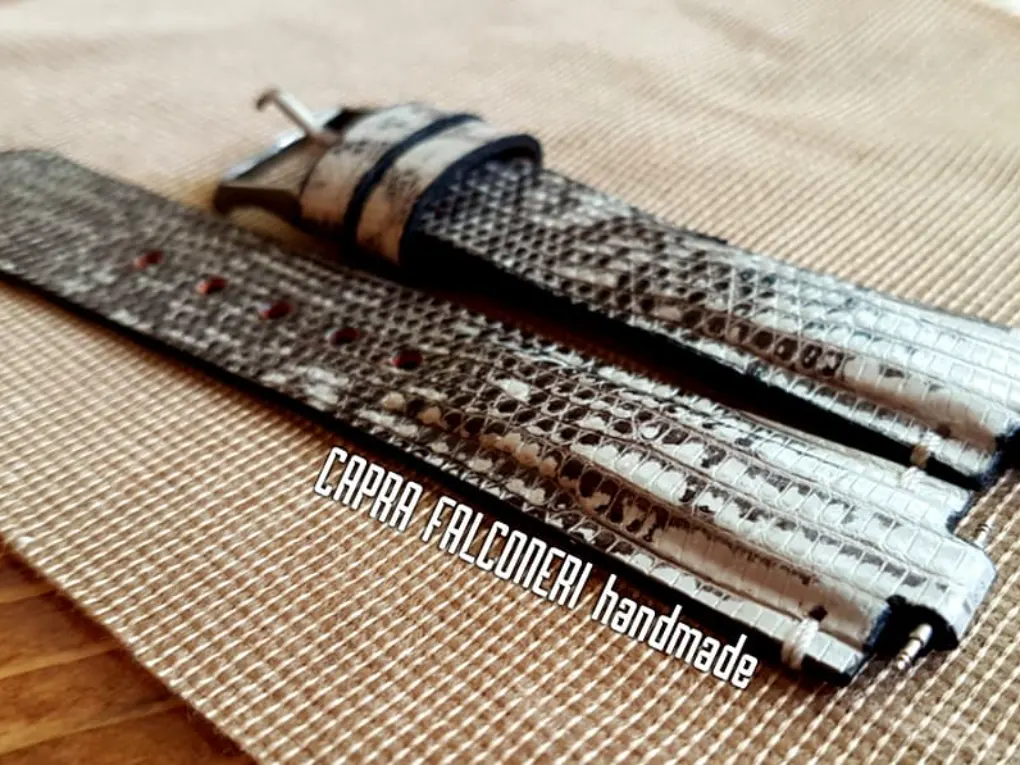
Care: Cleaning & Conditioning
Australian summers pose specific challenges for fine leather goods. High heat and humidity cause sweat salts, moisture, and natural skin oils to penetrate the strap lining. Left untreated, these salts crystallise within the hide’s microscopic fibre network, pulling out natural moisture and leading to brittle, cracked leather that smells foul.
Follow this three-stage maintenance cycle:
- Daily Wipe-Down: At the end of a humid day, take the watch off and wipe down the inner lining leather with a dry microfibre cloth to pull surface sweat out of the pores. Never store a damp leather strap inside an enclosed watch box. Allow it to air-dry naturally on an open tray.
- Surface Cleaning: Every 3 to 6 months, wipe the strap using a cotton rag barely dampened with clean, lukewarm water. For stubborn grime or salt stains, use a pea-sized drop of pH-neutral saddle soap lathered into a light foam. Wipe clean immediately with a dry cloth. Never submerge the strap under running tap water.
- Light Conditioning: Treat the exterior leather 2 to 3 times per year with a specialist, wax-free leather conditioner such as Saphir Médaille d’Or Renovateur or Bickmore Bick 4. Apply a minimal amount with your fingertips, let it absorb for 15 minutes, and buff off the excess using a soft horsehair brush. Avoid pure neat’s-foot oil or heavy animal fats, which permanently darken thread stitching and over-soften the leather core, causing the strap to stretch out around the lug pins.
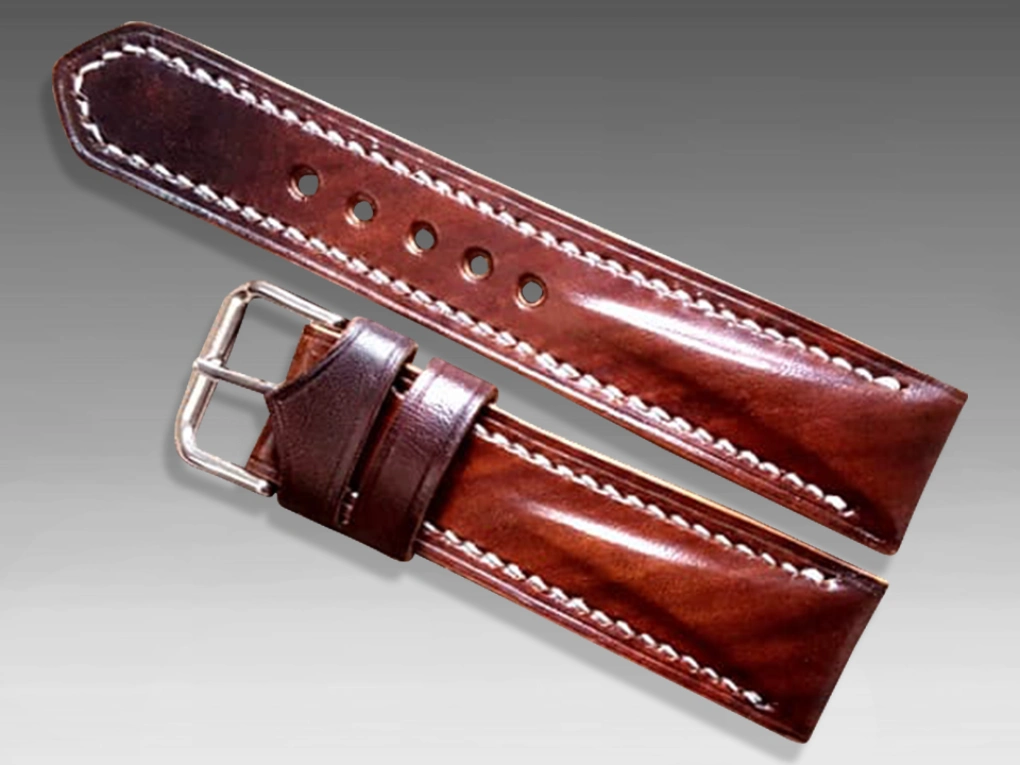
Who This Is For / Who Should Skip It
This is for:
- Men seeking to tailor the appearance of a single wristwatch across multiple formality levels without purchasing another timepiece.
- Anyone suffering skin irritation or hair-pulling from poorly finished factory steel bracelets.
- Watch enthusiasts wanting to preserve an expensive original manufacturer bracelet in mint condition by storing it in the box.
- Buyers who value organic aging, patina, and bespoke leather craft.
Who should skip it:
- Active swimmers, surfers, and watersports enthusiasts who need a strap that can remain submerged for hours at a time (choose FKM rubber or 316L stainless steel instead).
- Men who sweat heavily during outdoor manual trades and want zero maintenance or cleaning obligations (choose a washable nylon NATO band).
- Anyone seeking a pure sterile aesthetic that resists any marking, scratching, or colour change over its operational life.
Frequently Asked Questions
Can I wear my leather watch strap in the shower or swimming?
No, you should never wear a leather watch strap in the shower or while swimming. Prolonged exposure to hot water strips the natural tanning oils from the hide, while chlorinated pool water and salt water rapidly break down internal stitching threads and adhesives. If your strap gets soaked accidentally, gently blot it with a dry towel and let it dry naturally away from direct sunlight or electric heaters.
What is the most common watch strap size in Australia?
The most common watch strap size in Australia is a 20mm lug width with a 120/80mm length. A 20mm width accommodates the majority of modern mechanical, field, and dress watch cases from mainstream brands such as Seiko, Omega, and Hamilton. A 120/80mm two-piece strap length fits standard adult male wrists measuring between 16.5cm and 19.5cm in circumference.
Why do some leather watch straps cost $30 while others cost $180?
Price differences stem directly from the hide selection, tanning methods, and assembly craftsmanship. Budget $30 straps typically use bonded “genuine” leather splits coated in synthetic plastic paints that crack under light use. Premium $180 straps feature full-grain vegetable-tanned hides from certified heritage tanneries, hand-burnished edges, natural calf linings, and hand-stitched saddle seams using waxed linen thread that will not unravel if an individual loop breaks.
How tight should a leather watch strap fit?
A leather watch strap should fit snugly enough that the watch head does not rotate freely around your wrist, but loose enough to slide your index finger underneath the band. Leather naturally expands, softens, and conforms to your wrist contours within the first two weeks of daily wear. Setting the buckle too tightly on day one will over-stretch the pin holes and place unnecessary tension on your watch’s spring bars.
What is the difference between quick-release spring bars and standard pins?
Quick-release spring bars feature an integrated tiny metal lever protruding through a small cutout in the back of the strap. This lever allows you to retract the spring bar pin using just your fingernail, eliminating the need for a separate spring bar tool and avoiding potential lug scratches. Standard spring bars feature continuous double flanges that require a dedicated micro-fork tool to compress from behind the watch lugs.
Selecting the right leather watch strap comes down to precision over guesswork: establish your exact lug width in millimetres, select a taper profile that complements your watch case, and invest in a full-grain vegetable-tanned hide that handles everyday friction.
Before committing your funds, confirm your measurements using our watch strap size guide lug width. Once your strap arrives, avoid scratching your horns by following our breakdown on how to change a watch strap. If you wear a digital timepiece every day, explore our dedicated recommendations for finding a leather Apple Watch band Australia that matches your case finish cleanly.
