
Whether you are stepping into vehicle residency by choice to embrace financial freedom, traveling the country, or navigating an unexpected housing transition, learning how to live in your car successfully requires careful planning, proper gear, and practical safety routines.
While the idea of living in a vehicle can feel overwhelming at first, thousands of people do it every day across the globe. With the right mindset and preparation, you can transform a standard hatchback, sedan, or SUV into a secure, comfortable shelter.
This guide covers everything you need to know about vehicle residency—from stealth parking tactics and seasonal safety to health, hygiene, and local legal considerations.
Is It Bad to Live in Your Car? Understanding the Reality
Before diving into gear and setup strategies, it is worth addressing a common question: Is it bad to live in your car?
The short answer is no. Living in a vehicle is simply an alternative shelter arrangement. However, it does carry real challenges that you must prepare for, particularly regarding sleep quality, personal hygiene, and long-term comfort.
                           +---------------------------+
                           |  Living in Your Car       |
                           +-------------+-------------+
                                         |
               +-------------------------+-------------------------+
               |                                                   |
               v                                                   v
     [ Key Benefits ]                                    [ Major Challenges ]
  * Massive cost savings                              * Physical space constraints
  * Total geographic flexibility                      * Weather/temperature control
  * Rapid debt payoff potential                       * Inconsistent sleep/parking security
  * Lifestyle simplification                          * Hygiene management routines
The Financial Benefits
- Zero Rent & Utility Bills: Eliminate your single largest monthly expense immediately.
- Rapid Debt Payoff: Reinvest saved housing costs into loans, savings, or investments.
- Flexibility: Work remotely, explore new cities, or change locations easily.
The Daily Challenges
- Confined Space: Storage options are limited; organization requires constant discipline.
- Temperature Regulation: Vehicles warm up rapidly in the summer and freeze quickly in the winter.
- Social Stigma & Legal Rules: Navigating local parking laws requires research and situational awareness.
How Long Can You Live in Your Car?
When people ask how long can you live in your car, the answer depends entirely on your setup, physical health, and mental adaptation.
- Short-Term (1–3 Months): Ideal for bridging gaps between leases, surviving temporary financial hitches, or testing minimalist living.
- Medium-Term (3–12 Months): Common for digital nomads, temporary contract workers, or individuals focused on aggressive debt payoff goals.
- Long-Term (1+ Years): Sustainable with larger vehicles (SUVs, minivans, crossover hatchbacks), modular storage, and steady access to gym memberships for shower routines.
Legal and Safety Rules: Where to Park and Stay Safe
Understanding local ordinances is crucial when managing vehicle residency. Parking in the wrong spot can lead to trespassing citations, fines, or an uncomfortable knock on your window in the middle of the night.
                        +----------------------------------+
                        |  Where Can You Sleep Overnight?  |
                        +----------------+-----------------+
                                         |
        +--------------------------------+--------------------------------+
        |                                                                 |
        v                                                                 v
  [ Safe & Legal Options ]                                      [ Locations to Avoid ]
* BLM Lands (14-day limit)                                    * Private residential streets
* National Forests (Dispersed areas)                          * Private business lots (without permission)
* Select Truck Stops (Pilot, Love's)                          * City parks after curfew
* Bureau of Rest Areas (Check state rules)                    * No Parking / Tow Away zones
Safe and Legal Parking Options
- Public Lands (BLM & US Forest Service): The Bureau of Land Management (BLM) and US Forest Service offer free dispersed camping on millions of acres, typically allowing stays up to 14 consecutive days in one location.
- Truck Stops & Travel Centers: Establishments like Pilot Flying J, Love’s, and TA often welcome overnight drivers. They feature well-lit lots, 24-hour security, and paid private showers.
- 24-Hour Retailers: Some large retailers allow single-night stays in their parking lots, though you should always seek permission from store management first.
- Rest Stops: Rules vary significantly by state. Some states permit up to 24 hours of rest, while others restrict parking to 2–4 hours.
Pro Tip: Download apps like iOverlander, Park4Night, or Sekr to view user-reviewed overnight spots with real-time safety updates.
Essentials Needed for Living in Your Car
Setting up your interior space effectively makes the difference between stressful nights and reliable comfort. Here is a baseline breakdown of the essentials needed for living in your car.
| Category | Essential Gear Item | Purpose / Function |
| Sleep System | Foam mattress topper or sleeping pad | Comfort and protection from cold vehicle floors |
| Sleep System | Cold-rated sleeping bag & wool blanket | Thermal insulation without relying on vehicle heat |
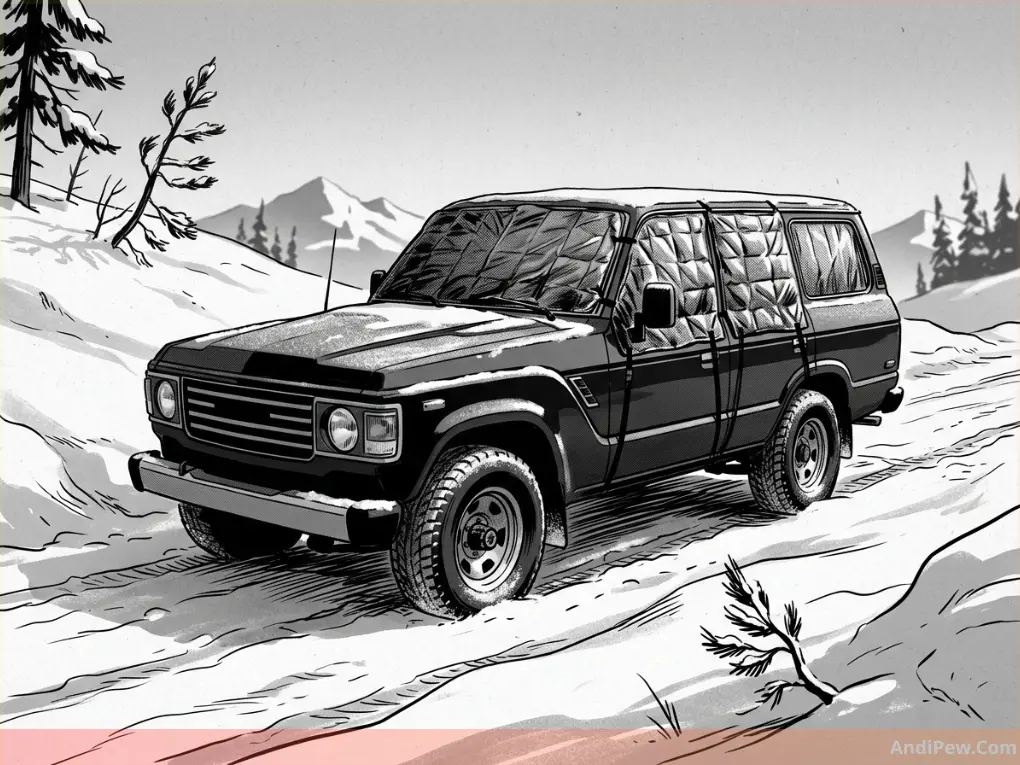
| Privacy/Safety | Custom Reflectix window covers | Light blockage, insulation, and complete privacy |
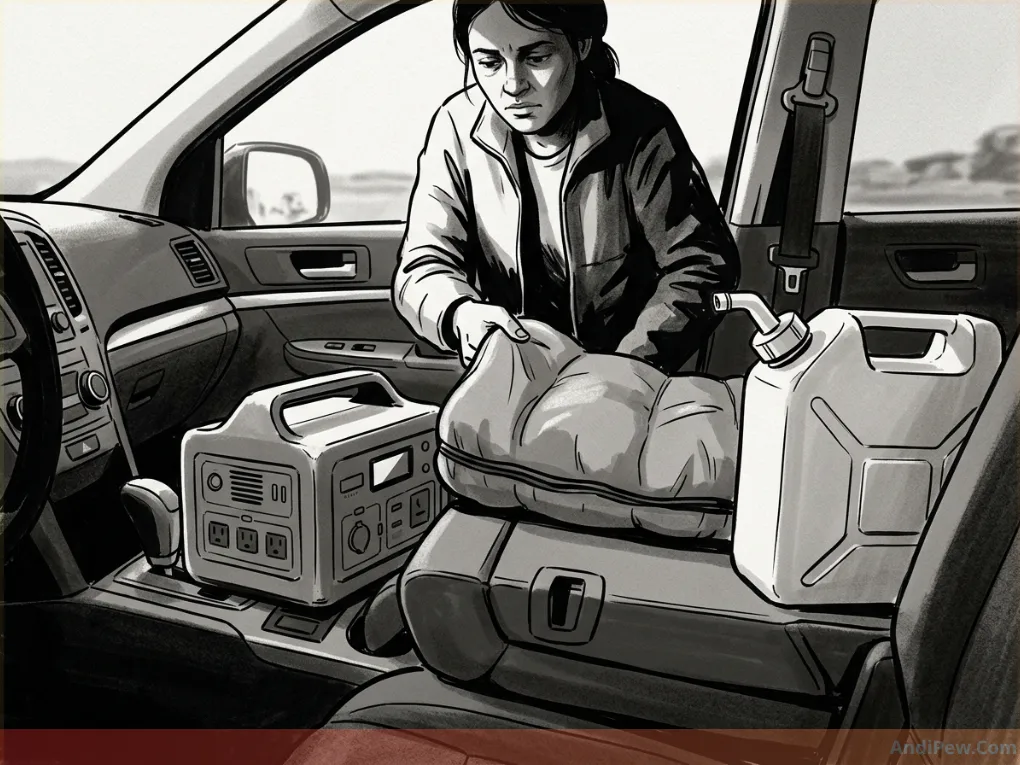
| Power | Portable power station (e.g., Jackery, Anker) | Charging phones, fans, laptops, and LED lights safely |
| Hygiene | Gym membership (Planet Fitness, etc.) | Unlimited access to hot showers, restrooms, and water |
| Food Prep | Portable camp stove & cooler / 12V fridge | Storing and cooking basic, nutritious meals |
| Safety | Carbon monoxide detector & fire extinguisher | Basic safety monitoring during sleep |
Smart Living in Your Car Hacks for Everyday Comfort
Optimizing small spaces requires creative problem-solving. These practical living in your car hacks help streamline daily routines:
                          +-----------------------------------+
                          |  Essential Everyday Vehicle Hacks |
                          +-----------------+-----------------+
                                            |
         +----------------------------------+----------------------------------+
         |                                  |                                  |
         v                                  v                                  v
 [ Privacy & Ventilation ]          [ Power & Lighting ]             [ Space Management ]
* Mesh window screens              * Portable power station          * Clear plastic bins under bed
* Tailored Reflectix covers        * USB-rechargeable LED lights     * Roof rack for off-season gear
* Rain guards for cracked windows  * Solar panel battery topping     * Hanging organizer on front seats
1. Master Stealth and Privacy
Cut pieces of dark poster board or double-sided insulation sheet (Reflectix) to fit every window precisely. Paint the side facing outward matte black. When installed, windows look naturally tinted from the outside, blocking internal light and keeping passersby from looking in.
2. Manage Moisture and Condensation
Breathing overnight produces moisture that condenses on interior glass, leading to dampness and mold over time. Install window rain guards so you can crack your windows a quarter-inch without letting rain in. Running a small, rechargeable USB fan improves air circulation significantly.
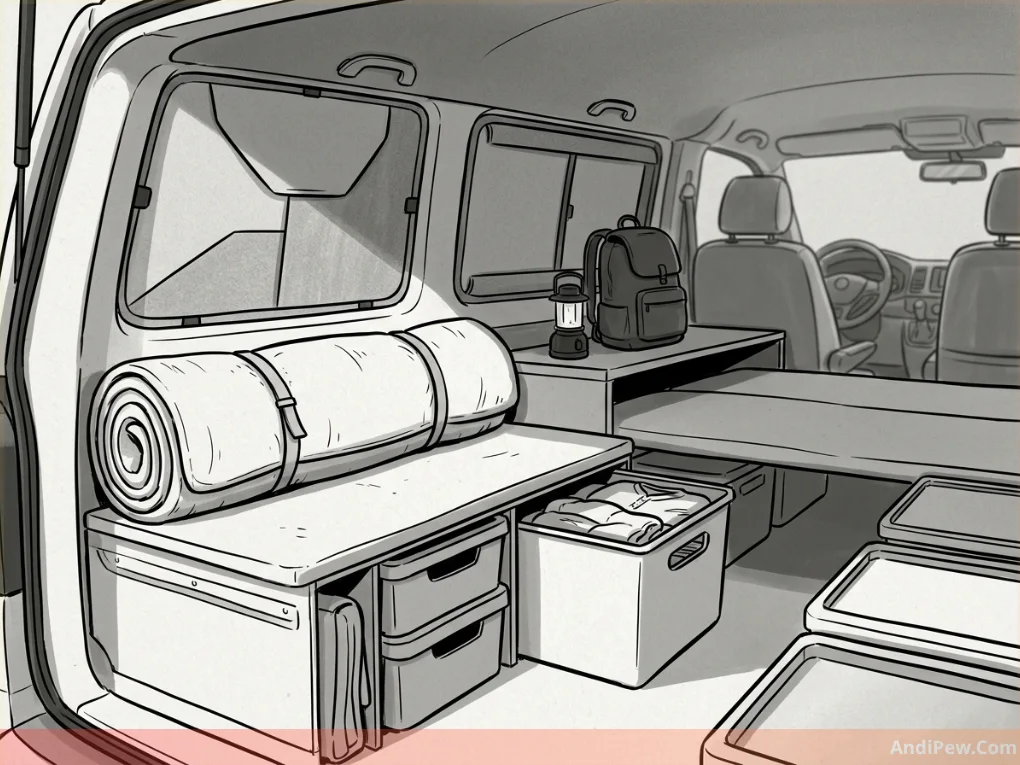
3. Organize with Modular Bins
Avoid loose bags. Use stackable, clear plastic storage totes categorized by clear themes:
- Kitchen & Food Supply
- Clothing & Bedding
- Toiletries & First Aid
- Electronics & Cables
Living in Your Car as a Woman: Safety and Security Protocols
While living in a vehicle requires spatial planning for everyone, living in your car as a woman involves specific safety protocols to maintain security and peace of mind.
                       +--------------------------------------+
                       |  Personal Safety & Security Matrix   |
                       +------------------+-------------------+
                                          |
        +---------------------------------+---------------------------------+
        |                                                                   |
        v                                                                   v
  [ Nightly Vehicle Setup ]                                       [ Situational Habits ]
* Driver's seat kept 100% clear                                 * Arrive late, sleep, leave early
* Keys stored in the exact same spot                            * Never advertise single occupancy on social media
* Doors locked immediately upon entry                           * Trust gut instincts—move if a spot feels unsafe
* Pepper gel / whistle within arm's reach                       * Keep phone fully charged overnight
High-Priority Safety Checklist
- Keep the Driver’s Seat Clear: Never stack gear or luggage in the driver’s seat. If you ever feel unsafe, you should be able to slide directly from your sleeping area into the driver’s seat and drive away without delay.
- Strategic Key Placement: Always store your car keys in the exact same accessible location overnight—ideally right next to your bed space or around your neck on a lanyard. Keep the panic button accessible.
- Tint and Cover Early: Pull into your chosen parking location late in the evening and set up your window covers internally before arriving, or switch them into place quietly right after turning off your ignition.
- Vary Your Locations: Avoid parking in the exact same spot multiple nights in a row. Rotate between 4 to 6 safe locations across your local area.
- Trust Your Instincts: If a location feels off at 2:00 AM, do not hesitate to relocate immediately.
How to Live in Your Car in the Winter
Freezing temperatures pose a serious safety risk if you are unprepared. Learning how to live in your car in the winter comes down to body heat preservation and proper insulation strategies.
                           +----------------------------------+
                           |  Winter Vehicle Survival Stack   |
                           +----------------+-----------------+
                                            |
        +-----------------------------------+-----------------------------------+
        |                                   |                                   |
        v                                   v                                   v
  [ Sleeping Layers ]               [ Window Insulation ]               [ Hydration & Safety ]
* Sub-zero sleeping bag (0°F)     * Custom Reflectix cutouts          * Insulated water storage
* Wool base layers & thick socks  * Thermal curtains/blankets         * Working Carbon Monoxide detector
* Insulated foam mattress pad     * Windshield sunshade reversed      * Emergency dry snacks nearby
Winter Survival Guidelines
CRITICAL SAFETY WARNING: Never run your car engine continuously overnight for heating. Running an engine while sleeping carries severe risks of carbon monoxide poisoning if exhaust pipes become blocked by snow or debris, or if exhaust leaks exist.
- Layer Beneath Yourself: Cold air circulates under your vehicle, making the trunk floor or seat surface extremely cold. Use an insulated camping pad with a high R-value beneath your body before layering blankets on top.
- Invest in a Rated Sleeping Bag: Use a sleeping bag rated for 0°F (-18°C) or lower. Heavy wool blankets placed over your bag create additional insulation.
- Protect Your Extremities: Wear clean, dry wool socks, thermal long underwear, and a beanie to bed. Never sleep in sweaty clothes from the daytime, as damp fabric draws heat away from your body.
- Keep Water from Freezing: Store water bottles inside an insulated cooler or wrapped in extra blankets inside your vehicle to prevent freezing overnight.
Regional Advice: How to Live in Your Car in Arizona and Hot Climates
Excessive heat can be just as dangerous as extreme cold. Navigating how to live in your car in Arizona or similar desert environments requires proactive cooling routines:
- Follow Elevation: In hot states like Arizona, drive to higher elevations during summer peak months (e.g., move from Phoenix at sea level up to Flagstaff at 7,000 feet, where temperatures are considerably cooler).
- Reflective Sunscreens: Cover all windows facing the sun with reflective shades to block heat before it penetrates the glass interior.
- Utilize Air-Conditioned Spaces: Spend hot daytime hours in public facilities like libraries, coffee shops, shopping centers, or gym facilities to stay cool and save energy.
- Stay Hydrated: Keep multiple gallons of drinking water inside your vehicle at all times, along with electrolyte replacement powders.
Homeless Living in Car Tips: Transitioning and Rebuilding
If you are facing sudden homelessness, using your vehicle as a temporary base provides security and stability while you rebuild. Here are practical homeless living in car tips to help you stay organized and maintain momentum:
1. Secure a PO Box or Virtual Mailbox
Maintaining a permanent mailing address is necessary for employment, banking, and government documentation. Set up a PO Box or use a street-address-capable UPS Store box to receive mail reliably.
2. Maintain a Daily Schedule
Structure prevents burnout. Keep a regular routine:
- Wake up early and clean your sleeping space.
- Head to the gym to shower and groom.
- Visit a public library to access Wi-Fi, apply for jobs, or manage finances.
3. Tap Into Community Support
Seek out local social services, food pantries, and non-profit homeless assistance organizations. Many cities offer designated Safe Parking Programs, providing legal, monitored parking lots with security guards and restroom access specifically for people living in vehicles.
Frequently Asked Questions (FAQ)
Is it bad to live in your car?
No, living in your car is a practical housing alternative for many people. While space constraints and variable weather present challenges, solid preparation, proper gear, and simple routines make it a secure way to save money or handle a housing transition.
How long can you live in your car?
You can live in your car as long as your health, comfort, and local circumstances permit. Many people live in their vehicles for a few weeks to pay off temporary debt, while nomadic travelers build comfortable setups that last for years.
Where is the safest place to sleep in your car?
Dispersed campsites on BLM or National Forest lands, designated truck stops, rest stops with overnight permissions, and municipal Safe Parking Programs offer some of the safest overnight options.
How do you stay warm living in your car during winter?
Focus on insulation around your body rather than heating the entire car interior. Use a sub-zero sleeping bag, high-R-value foam sleeping pads, thermal wool layers, and cut-to-size window insulation. Never run your vehicle engine continuously overnight to avoid carbon monoxide risks.
Learning how to live in your car successfully comes down to preparation, organization, and adaptability. Whether you are aiming to cut living expenses, explore open roads, or navigate a temporary setback, your vehicle can serve as a secure home base with the right tools and habits in place.
Take time to build out your sleeping setup, invest in reliable window covers, establish a solid hygiene routine, and prioritize your personal safety every day.