

Champion National Hunt trainer Willie Mullins has been fined a total of £1,100 by an independent British Horseracing Authority (BHA) disciplinary panel following the post-race disqualification of his Cheltenham Festival runner-up, Final Demand.
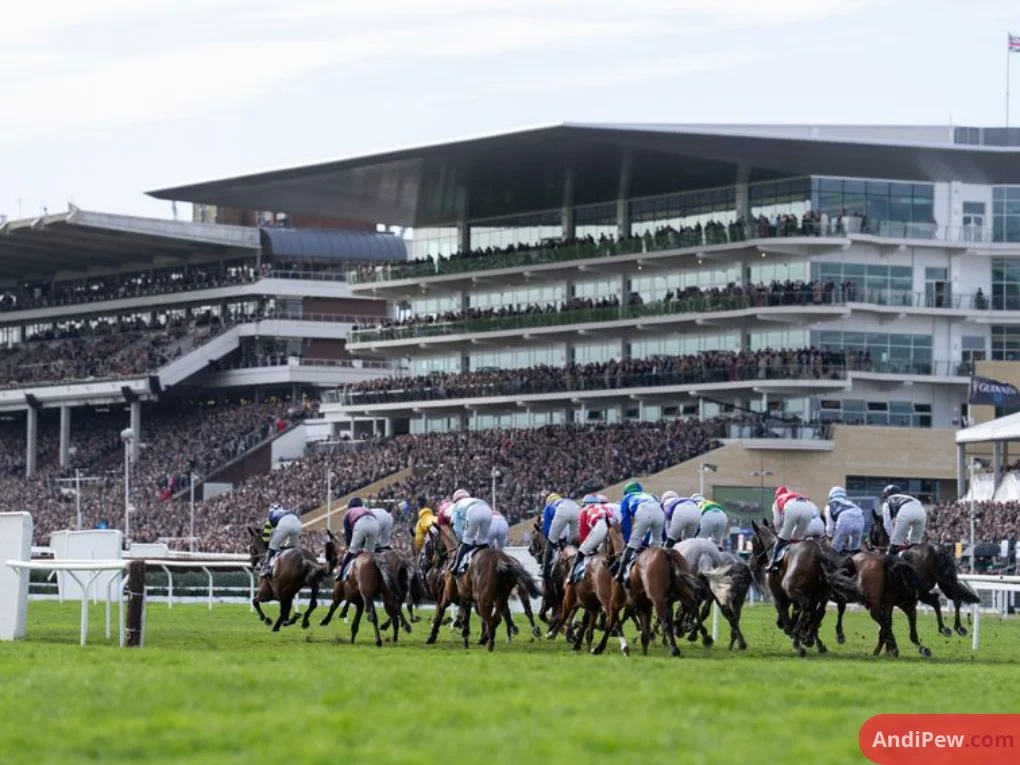
The seven-year-old chaser finished second behind stablemate Kitzbuhel in the Grade 1 Brown Advisory Novices’ Chase at Cheltenham on March 11. However, following post-race testing and a fast-track disciplinary referral, the horse has now been formally stripped of his placing after testing positive for mepivacaine, a Category B prohibited raceday substance.
The ruling forfeits over £40,000 in prize money and highlights the strict liability regulations governing equine medication and medical declarations within British racing.
What Led to the Disqualification of Final Demand?
The BHA independent judicial panel published its formal findings on Monday, October 12, following an agreed fast-track referral between racing regulators and the Mullins yard.
The disciplinary proceedings focused on two primary breaches of the Rules of Racing:
- Rule (K)2.2: Final Demand ran in the Grade 1 contest at the Cheltenham Festival with a Category B Prohibited Substance present in his system.
- Rule (J)24.2: Trainer Willie Mullins failed to declare the administration of mepivacaine on the horse’s official medical declaration paperwork prior to the race.
Following the positive sample, Final Demand was automatically disqualified under the rules of strict liability, vacating his second-place finish and requiring connections to forfeit his place prize money.
What Is Mepivacaine, and Why Is It Banned on Racedays?
Mepivacaine is a prescription local anaesthetic commonly used in equine veterinary medicine for diagnostic nerve blocks and therapeutic pain relief during lameness evaluations or minor procedures.
While mepivacaine is fully legal for off-course veterinary treatment, British racing rules classify it as a Category B Prohibited Substance on racedays. Because local anaesthetics dull nerve pain, their presence in a horse’s system during competition can mask underlying lameness, altering gait dynamics and raising serious welfare risks.
Key regulatory facts regarding mepivacaine include:
- Detection Window: The BHA maintains an official recommended detection clearance time of 72 hours for mepivacaine in thoroughbreds.
- Strict Liability Standard: Racing rules operate under strict liability regarding substances on raceday. Regardless of whether an administration was accidental or deliberate, the physical presence of a prohibited substance triggers disqualification.
- Mandatory Disclosure: If a horse receives therapeutic medication close to an engagement, trainers must declare every intervention via official BHA medical forms to maintain full veterinary transparency.

Key Details of the BHA Disciplinary Ruling
The independent panel, led by judicial chair Sarah Crowther KC, reviewed the timeline of treatments and veterinary logs. Crucially, the panel established that there was no evidence indicating deliberate administration to enhance performance.
Mullins, who was described in regulatory notes as “visibly shocked” upon learning of the adverse analytical finding, cooperated fully with investigators and accepted the agreed proposed sanctions.
| Detail | Official Finding / Action |
| Trainer Involved | Willie Mullins |
| Horse & Age | Final Demand (7yo gelding) |
| Race Affected | Grade 1 Brown Advisory Novices’ Chase (Cheltenham Festival) |
| Original Result | 2nd (beaten 3/4 length by stablemate Kitzbuhel) |
| Revised Result | Disqualified |
| Substance Detected | Mepivacaine (Category B local anaesthetic) |
| Total Fine Imposed | £1,100 |
| Financial Impact | Forfeiture of over £40,000 in place prize money |
| Regulating Body | British Horseracing Authority (BHA) Independent Disciplinary Panel |
Sarah Crowther KC noted that because both the regulatory authority and Mullins agreed upon the proposed penalty, the outcome sat appropriately within the parameters of the BHA’s Table of Penalties.
Why Reporting Failures Matter in Equine Welfare
While the £1,100 financial penalty to Mullins is modest compared to the £40,000 in lost prize money, the case highlights an essential pillar of modern sports governance: the stringency of medication tracking.
In top-tier National Hunt competition, paperwork omissions trigger automatic regulatory intervention. The BHA requires trainers to submit complete medical logs when horses travel across jurisdictions, ensuring that every therapeutic substance administered during pre-race training cycles is accounted for.
By failing to document the use of mepivacaine on Final Demand’s pre-race medical disclosure, Mullins triggered an automatic administrative violation alongside the sample breach.

Summary
Despite the disqualification of Final Demand, the panel found no intent to cheat or artificially boost performance. Mullins remains the dominant force across British and Irish jump racing, having set all-time records at the Cheltenham Festival and across the broader National Hunt calendar.
The incident serves as a stark reminder to stables of all sizes: cross-border equine welfare monitoring leaves zero room for documentation errors or trace-level medication remnants on major festival days.
Frequently Asked Questions (FAQ)
Why was Willie Mullins fined by the BHA?
Willie Mullins was fined £1,100 after his horse Final Demand tested positive for mepivacaine, a Category B prohibited substance, following the 2026 Cheltenham Festival. Mullins also failed to declare the substance on the horse’s pre-race medical forms.
Which race did Final Demand run in at Cheltenham?
Final Demand competed in the Grade 1 Brown Advisory Novices’ Chase on March 11, where he originally finished runner-up to stablemate Kitzbuhel by three-quarters of a length.
Did Willie Mullins intentionally drug the horse?
No. The BHA independent disciplinary panel confirmed there was no evidence of deliberate administration aimed at performance enhancement. The penalty was issued under the rules of strict liability and medical reporting guidelines.
What happens to the Cheltenham prize money?
Because Final Demand was disqualified from second place, connections had to forfeit over £40,000 in place prize money, and the official placings behind winner Kitzbuhel have been amended accordingly.
Want real-time updates on breaking BHA rulings, festival previews, and expert stable analysis? Sign up for our free Racing Newsletter to get inside track reports and race-by-race breakdowns delivered straight to your inbox.